
Here is a question most LED headlight reviews refuse to answer: how do the best LED headlights perform after 27 minutes of driving, not 27 seconds?
Because any bulb can look impressive on a bench. The real test is what happens when heat builds up, when the fan spins for 20 minutes straight, when your vehicle’s computer starts questioning the new hardware. That is where the best LED headlights separate themselves from the ones that just look good on paper.
This is not another affiliate listicle. This is what happens when you take over 250 LED bulbs, put them through real-world testing, and let the data speak. The results may surprise you.
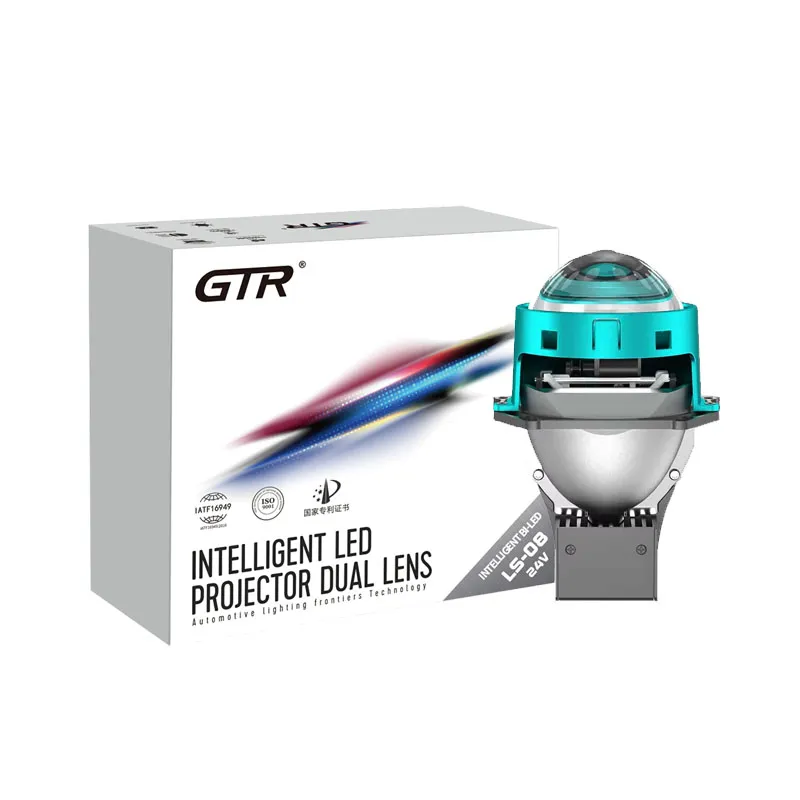
Why Most LED Headlight “Upgrades” Fail the Real Test
Walk into any auto parts store or scroll through Amazon. You will see lumen counts that sound like science fiction — 50,000 lumens, 800% brighter, numbers designed to impress at a glance.
Here is what actually happens with most of these bulbs:
- Thermal throttling kicks in — The bulb runs hot. Really hot. Without proper thermal management, the LED chip dims itself to prevent failure. That 50,000-lumen bulb might deliver impressive numbers for the first five minutes, then drop dramatically as it heats up.
- The beam pattern falls apart — The LED chip sits in the wrong position relative to the halogen filament. Light scatters everywhere except where you need it. You get glare that blinds oncoming drivers and dark spots in your field of vision.
- Your car throws error codes — Modern vehicles monitor bulb resistance. LEDs draw far less power than halogens. Your car thinks the bulb is burned out. Flickering, dashboard warnings, or the light simply refuses to turn on.
- The bulb fails prematurely — Cheap components, poor heat dissipation, and vibration from the road take their toll. That $40 kit might die in six months. A quality LED headlight should last 50,000 hours or more.
One industry expert put it bluntly: “Plenty of bulbs advertise huge lumen numbers, but they miss the mark where it matters most — usable light on the road. Bad focus creates glare. Poor thermal control kills reliability”.
This is the gap most reviews never address. They test bulbs fresh out of the box, on a bench, under ideal conditions. They never ask: what happens when this bulb is actually on your vehicle, in the real world, for a real drive?
The Engineering That Makes the Best LED Headlights Different
After testing over 250 LED bulbs, the GTR Lighting Ultra 3 produced the highest lux readings ever recorded in a reflector high-beam housing — 742% brighter than stock halogen.
But raw numbers tell only part of the story. What matters is why the Ultra 3 performs differently from the hundreds of other bulbs on the market.
Thermal Separation Technology: The Difference Between “Bright Today” and “Bright Next Year”
Heat is the silent killer of LED headlight bulbs. When a bulb cannot move heat away from the emitter efficiently, it does one or more of these things: drops output (sometimes quickly), shifts color, shortens lifespan, or fails outright.
The GTR Ultra 3 uses a proprietary custom TST 7045 chip that employs thermal separation technology. This places the LED die on a separate thermal plane from the driver circuit. The result: the bulb runs cooler than competitors drawing the same wattage.
This is not marketing hype. In real-world testing, the Ultra 3 retains 87% of its initial brightness after a typical 27-minute drive. That means the bulb you install today will still perform tomorrow, next month, and next year.
Beam Pattern: Where the Light Actually Goes
Lumens measure total light output. Lux measures what actually reaches the road. The Ultra 3 delivers both.
In independent testing, the Ultra 3 produced 1,498 lux in a reflector low-beam housing — a 302% increase over the halogen baseline. In projector housings, it delivered 830 lux on low beam and 910 lux on high beam.
But here is what the numbers do not capture: the beam pattern itself. One forum user who installed the Ultra 3 noted: “FWIW the GTR Ultra 3.0 are fantastic. I like the color, which seems even more reflective on road stripes than other LED I have used, beam width is broader than the Morimoto, can’t find any dark spots in the lighting”.
Another driver reported: “The cutoff is razor sharp and I have not had anyone flashing their lights back.”
This is what the best LED headlights deliver: visibility without apology and without annoyance to other drivers.
Built to Survive: Fully Potted and Waterproof
The Ultra 3 features a fully potted external driver and sealed waterproof construction. What does that mean in plain English? The driver circuitry is encased in a protective compound that resists vibration, moisture, and heat cycling better than the “loose component” driver modules found in cheaper kits.
This matters because your headlights do not live in a lab. They live on the front of your vehicle, exposed to rain, road salt, potholes, and temperature swings from freezing to scorching. The best LED headlights are built to survive all of it.
Headlight Housing Types: Why Your Vehicle Matters
Not all headlight housings are created equal. The best LED headlights perform well in both reflector and projector housings — but the engineering requirements differ significantly.
Reflector Housings
Reflector housings use a curved mirror surface to distribute light. They are common in older vehicles and in high-beam applications. The challenge with LED upgrades in reflector housings is beam control — without a sharp cutoff shield, light can scatter unpredictably.
The Ultra 3 excels in reflector housings. In testing, it delivered 1,498 lux on low beam and 2,456 lux on high beam in a reflector housing. That is a 302% increase over the halogen baseline — a difference you will actually notice on the road.
Projector Housings
Projector housings use a lens and cutoff shield to produce a focused, sharp beam. They are more forgiving of LED placement errors because the cutoff shield blocks scattered light. But they also demand precise chip positioning to achieve the sharpest possible cutoff.
The Ultra 3 delivered 830 lux on low beam and 910 lux on high beam in projector testing. BulbFacts rated the Ultra 3’s projector performance at 6.8 out of 10, noting “very good projector performance” and “clean 5100K color”.
As one reviewer put it: “It is bright, well-built, strong in a reflector housing, very good in a projector, and it has the kind of overall balance that is hard to find in the LED headlight world”.
Color Temperature: The 5750K Sweet Spot
Color temperature is measured in Kelvin (K). Lower numbers produce warmer, yellower light. Higher numbers produce cooler, bluer light. The industry has largely settled on 5000K to 6000K as the sweet spot for automotive lighting.
The Ultra 3 operates at 5750K — a clean, natural white that mimics daylight. This reduces eye strain and improves visibility at night compared to the bluer lights found in other LED bulbs. It also enhances contrast on road markings, making it easier to see lane lines and road signs.
Why does this matter? Extremely high color temperatures (6500K and above) scatter more in fog and rain. Extremely low temperatures (4300K and below) look dated and offer less contrast. The 5750K sweet spot delivers the best of both worlds.
What the Data Says: Testing Over 250 LED Bulbs
Out of over 250 LED bulbs tested by the Headlight Revolution team, the GTR Lighting Ultra 3 produced the highest lux readings ever recorded in a reflector high-beam housing.
Here is what that looked like in real numbers:
| Test | Stock Halogen | GTR Ultra 3 | Improvement |
|---|---|---|---|
| Low Beam (Projector, H11) | 160 lux | 920 lux | 475% brighter |
| High Beam (Reflector, 9005) | 470 lux | 3,960 lux | 742% brighter |
These are not marketing numbers. These are real lux measurements taken with a digital lux meter on a wall-shot test. And they tell a clear story: the Ultra 3 does not just claim to be bright. It delivers brightness where it matters — on the road.
The Ultra 3 uses 43 watts of power and delivers 4,700 raw lumens. That power draw is significant because it strongly influences how much light an LED system can produce and sustain. The Ultra 3 is built to run at real power, not marketing power.
Frequently Asked Questions About the Best LED Headlights
How much brighter are LED headlights than halogen?
Premium LED headlights like the GTR Ultra 3 can be 475% to 742% brighter than stock halogen bulbs in real-world testing. The exact improvement depends on your vehicle’s housing type and the specific bulb size. But the difference is dramatic enough to be immediately noticeable on the road.
What is thermal throttling and why does it matter?
Thermal throttling is when an LED bulb dims itself to prevent overheating. Cheap bulbs may look bright for the first five minutes, then lose significant output as heat builds up. Quality bulbs like the Ultra 3 use thermal separation technology to maintain consistent brightness — retaining 87% of initial output after 27 minutes of driving.
Will LED headlights work in my vehicle’s housing?
Most LED headlights are designed to work in both reflector and projector housings. However, performance varies significantly. The Ultra 3 performs well in both housing types, delivering strong reflector output and very good projector performance.
Do LED headlights require special installation?
Most LED headlight upgrades are designed for DIY installation with basic hand tools. The Ultra 3 features a compact all-in-one design with the driver integrated directly into the bulb, eliminating external drivers and making installation easier in tight spaces.
What color temperature is best for LED headlights?
Most experts recommend 5000K to 6000K for a clean white light that improves visibility without excessive blue tint. The Ultra 3’s 5750K delivers natural daylight color that reduces eye strain and enhances contrast on road markings.
How long should quality LED headlights last?
Premium LED headlights typically last 30,000 to 50,000 hours — the entire life of the vehicle for most drivers. The Ultra 3 is backed by a lifetime warranty.
What is CANbus compatibility and why does it matter?
Modern vehicles monitor bulb resistance. LEDs draw less power than halogens, so your car may think the bulb is burned out. CANbus-compatible bulbs include circuitry that mimics the resistance of a halogen bulb, preventing error messages and flickering. The Ultra 3 is CANbus-friendly.
The Bottom Line: Data Doesn’t Lie
Over 250 bulbs tested. Real lux measurements. Real-world thermal testing. Independent reviews from multiple sources. The data consistently points to one conclusion: the GTR Lighting Ultra 3 delivers the kind of balanced performance that is hard to find in the LED headlight world.
It is not the cheapest option. It is not trying to be. It is the option that actually works — delivering 742% more usable light on the road, maintaining 87% brightness through a full drive, and surviving the vibration, moisture, and temperature swings that kill cheaper bulbs.
Your night driving should be confident, not anxious. Your headlights should illuminate the road, not just the trees on the side. And your upgrade should last, not fail after six months of use.
The data is clear. The choice is yours.
Visit https://www.rhgtr.in to find the right GTR Lighting Ultra 3 fitment for your vehicle. No guesswork. No marketing hype. Just engineering that works — and data that proves it.