
Twelve years of watching technicians wrestle with headlight housings teaches you things no spec sheet will. The car headlight led market has exploded, and with it a flood of products that look identical in photos and behave nothing alike on the road. What follows is not a buying guide or a troubleshooting manual. It is a record of what we have observed in real install bays, on real vehicles, across thousands of fitments—and what those observations reveal about which bulbs deserve your money.
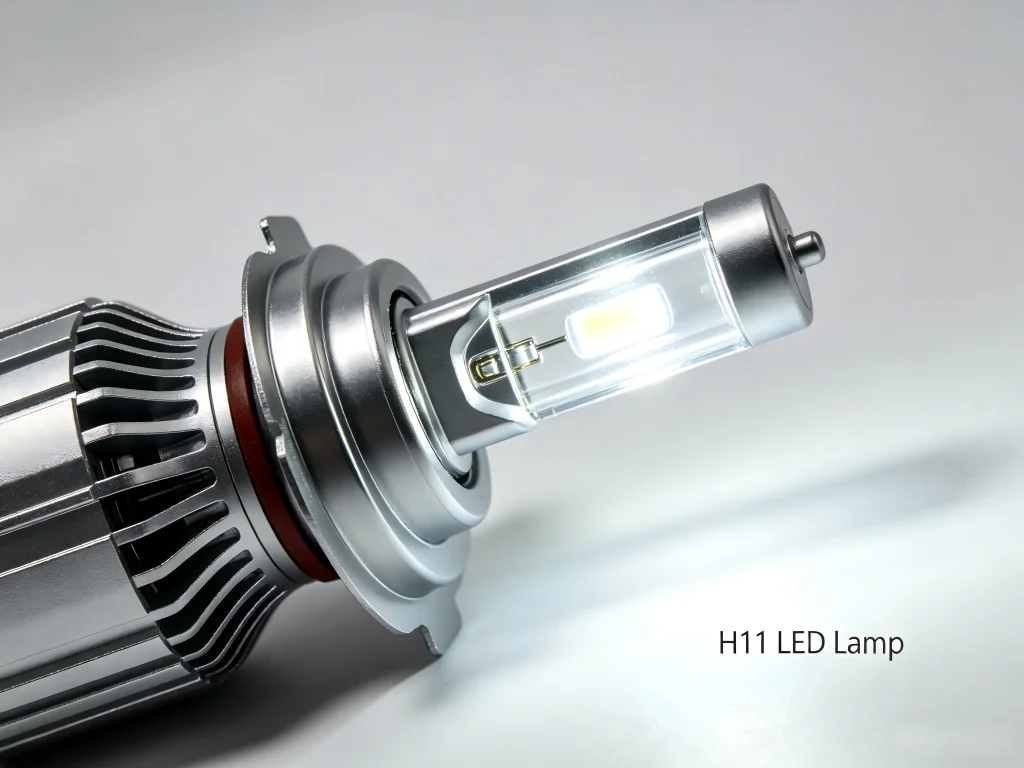
What the Install Bay Reveals That Reviews Cannot
A bulb that performs well on a test bench can still fail in a vehicle. Install bay observation shows that housing geometry, ambient heat, and electrical quirks determine real-world results far more than lab lumen figures suggest.
When a technician opens a headlight housing, the first thing they notice is how much space the factory gave the original bulb. Some housings are generous. Others are so tight that a bulb with an oversized heatsink will not seat properly, forcing the installer to leave the dust cap off—which invites moisture, which kills electronics. We have seen this exact failure chain play out in trucks and SUVs where the housing depth was clearly an afterthought.
The second thing they notice is the condition of the factory wiring. Older vehicles run thinner gauge wire to the headlight circuit. A bulb that draws more current than the original can warm that wire beyond its rating. This is why we advise checking the vehicle’s electrical headroom before assuming any upgrade will be plug-and-play. The bulb is only one part of the circuit.
The Fitment Chart Is Not the Whole Story
Every bulb listing says “fits H11” or “fits 9005.” That is the socket, not the housing. Two vehicles that share the same bulb code can have completely different reflector depths and projector geometries. A bulb that produces a flawless cutoff in one make and model may scatter light in another that uses the same socket.
In our fitment work, we have catalogued housing-specific behavior across a wide range of vehicles. The pattern is clear: the socket code tells you the connector shape, nothing more. The variables that actually matter—reflector bowl depth, projector lens focal length, dust cap clearance, and airflow around the bulb—vary by vehicle generation and trim level. This is why we publish housing-specific notes rather than a single compatibility checkbox.
- Check dust cap clearance first. A bulb that will not fit under the cap is not an upgrade; it is a moisture problem waiting to happen.
- Confirm the factory wire gauge. Thin wiring plus a high-draw bulb equals heat and voltage drop.
- Note the housing type. Reflector and projector housings respond differently to the same bulb.
- Look for airflow paths. Sealed housings trap heat; bulbs with active cooling need a path for that heat to escape.
Heat, Moisture, and the Failure Modes We See Most
If you asked a technician which headlight bulbs come back most often, the answer would not surprise anyone who works on cars: the cheapest ones, and for two reasons. Heat kills the driver electronics, and moisture kills everything else.
LED chips are sensitive to junction temperature. When a bulb’s thermal path is inadequate—thin aluminum, no copper, a fan that stalls after a few months—the chip runs hot, and its output drops. The driver circuit, crammed into the same small housing, suffers too. We have opened failed budget bulbs and found discolored boards and cracked solder joints, the unmistakable signature of thermal cycling.
Moisture is the quieter killer. A dust cap left off, a cracked seal, or a housing that vents poorly lets humid air in. When the bulb cools after a drive, that moisture condenses on the coldest surface—often the metal heatsink. Over months, corrosion creeps into the connector pins. The bulb starts flickering, then fails. In our experience, moisture-related failures outnumber pure chip failures by a wide margin in real vehicles.
What Repeat Customers Tell Us About Value
Installers remember which brands generate comebacks. That memory is worth more than any review score. A shop that has installed the same brand for years without warranty claims will keep recommending it, because comebacks cost them labor and reputation.
We hear a consistent story from long-term GTR customers: the first set went into a daily driver, survived several winters, and when it came time to upgrade a second vehicle, they did not shop around. They went back to the brand that had not given them trouble. That loyalty is not built on marketing. It is built on the absence of problems—no flicker, no error codes, no dimming after a year, no moisture in the housing.
One fleet maintenance supervisor told us his trucks operate in dust and temperature extremes that chew through aftermarket electronics. He standardized on GTR bulbs because, in his words, “they are the only ones we install once.” That is the kind of feedback that does not show up in a product listing, but it is the feedback that matters most.
Frequently Asked Questions
Can the same car headlight LED bulb fit different vehicles with the same socket code?
The socket will match, but the beam pattern may not. Housing geometry varies by make, model, and year even when the bulb code is identical. Always verify housing-specific fitment notes rather than relying on the socket code alone.
Why do cheap LED bulbs fail so often in real vehicles?
Two dominant causes: heat and moisture. Inadequate thermal paths cause chip and driver degradation, while poor sealing lets condensation corrode connectors. These failures rarely appear in short-term testing but show up reliably within months of real-world use.
Do I need to check my vehicle’s wiring before installing LED bulbs?
It is wise. Older vehicles may use thinner gauge wire on the headlight circuit. Confirm the factory wiring can handle the bulb’s current draw, or choose a bulb designed to work within the original circuit’s limits.
What should I look for in a car headlight LED bulb shop near me?
Look for a shop that asks about your housing type and vehicle model before recommending a bulb. A good shop will also offer a beam-pattern check after installation. If they sell the same bulb to every customer regardless of vehicle, keep looking.
How long should a quality LED headlight bulb last in daily driving?
A well-engineered bulb with proper thermal management and sealing can last for years in daily use. The limiting factors are usually the cooling system and moisture protection, not the LED chips themselves. Sealed fans and coated drivers extend lifespan significantly.
Is it worth repairing a failed LED headlight bulb or replacing it?
In most cases, replacement is the practical choice. LED bulbs are sealed assemblies, and repairing internal electronics or thermal paths is not cost-effective. If a bulb fails early, treat it as a signal to evaluate the product’s thermal and sealing design before buying another of the same type.
Buy Once, Install Once
The install bay does not care about marketing copy. It cares about whether the bulb fits, whether it survives the heat, and whether the customer comes back angry or satisfied. Those are the only metrics that matter when the dust cap goes back on and the vehicle leaves the shop.
GTR builds car headlight led systems with the install bay in mind: housing-specific fitment, thermal paths that survive real engine bays, and sealing that keeps moisture out through winter after winter. If you are tired of replacing bulbs that were never engineered for your vehicle, visit https://www.rhgtr.in and choose an upgrade you will install once. The road ahead deserves better than a repeat failure.