
Dedicated to low visibility driving safety, a qualified fog light shapes stable road lighting in fog, rain and heavy snow. Fog light design and proper usage could cut traffic collision risks in harsh weather, making it a core safety part for every modern passenger and commercial vehicle.
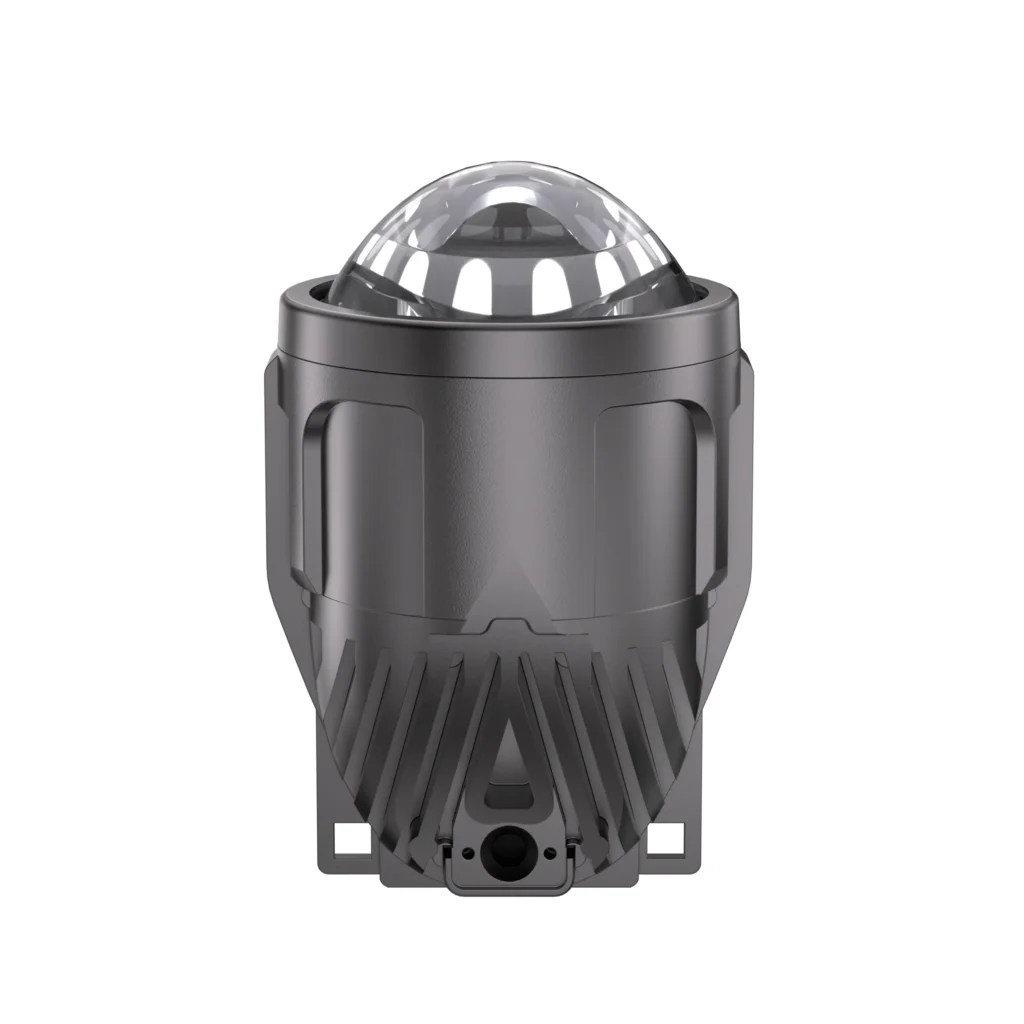
The History and Full Classification of Fog Light
Fog light first appeared in the 1930s for mountain foggy regions. It evolves from basic halogen lamps to modern projector structures with intelligent light control and standardized global safety rules.
Early road vehicles lacked targeted low-visibility lighting, so thick fog often triggered chain crashes in European alpine zones. Automakers launched the first auxiliary fog light in 1938 to solve short-distance road illumination. Limited material technology forced early units to rely on warm yellow halogen bulbs, which may reduce light scattering in humid air.
After the 1960s, fog light turned into mainstream factory configuration as highway networks expanded worldwide. Regional transport authorities released unified installation limits and light color standards to unify road safety rules. LED components replaced traditional halogen after 2010, and compact optical lenses further upgrade overall light utilization efficiency.
Core Fog Light Classification
- Position division: Front fog light for near road lighting and rear fog light for high-visibility rear warning
- Light source division: Halogen, LED and laser fog light with different power consumption and durability
- Optical structure division: Reflector fog light and projector fog light with distinct beam control ability
- Vehicle type division: Passenger car, off-road and commercial heavy-duty fog light for extreme working conditions
Basic Working Principle and Practical Functions of Fog Light
Fog Light adopts low mounting height and wide horizontal beams. It restricts upward light overflow to avoid reflection on water droplets and deliver clearer near vision in foggy weather.
Water droplets and fog particles scatter short-wavelength white light easily. Warm tone light with longer wavelengths tends to pass through dense fog with less refraction, so most official vehicle safety guides recommend moderate yellow light for fog scenarios. Standard headlights install too high and cast long-distance beams, which bounce back in fog and create blinding white haze for drivers.
In our engineering testing, standard headlight groups lose nearly 60% of effective vision in dense fog within 30 meters. Reasonably adjusted fog light fills this blind area by focusing light on pavement, curbs and roadside obstacles. This simple design difference could greatly improve reaction time for sudden road hazards.
Projector Fog Lights vs Reflector Fog Lights: Performance and Structural Comparison
Most buyers confuse common reflector fog light and advanced projector fog lights when upgrading vehicle lighting. Internal optical structures create huge gaps in legal compliance, service life and actual penetration performance.
| Performance Item | Projector Fog Lights | Reflector Fog Lights |
|---|---|---|
| Light Utilization Rate | 85%–90% | 40%–52% |
| Horizontal Glare Output | Low, meets global ECE and SAE limits | High, easy to exceed legal glare limits |
| Beam Uniformity | Balanced light spot without dark zones | Obvious bright center and blurred edge |
| Long-term Aging Resistance | Strong, stable light output over years | Weak, brightness drops fast after long use |
| Modification Compliance | Fully adapted to global road laws | High risk of non-compliant modification |
Key Advantages of Projector Fog Lights
- Precision light cutoff plates block upward light leakage and prevent dazzling oncoming drivers
- High-transmission glass lens focuses dispersed light and reduces unnecessary energy waste
- Integrated heat dissipation structure lowers LED light decay and extends overall service life
- Standard beam angle design fits most factory bumper installation positions without cutting modification
Based on our years of manufacturing expertise, projector fog lights become the mainstream upgrade choice in global aftermarket markets. Strict internal light barrier design makes it easier to pass regional certification tests, while ordinary reflector products may face inspection rejection in Europe, North America and Australia.
Global Fog Light Regulations and Authoritative Certification Standards
Different regions set clear limits on fog light installation height, light intensity and color temperature. Unqualified modified lights may cause traffic fines or mandatory parts removal during official inspections.
- European Region: Follow ECE R19 original clause, limit upper light intensity below 200cd and require official E-mark certification View UNECE official regulation
- North America: Comply with FMVSS 108 and SAE J583, all aftermarket fog light products need reserved DOT identification Check NHTSA safety standard
- Asia and ASEAN: Refer to ECE unified standards, added local waterproof and vibration resistance tests for tropical rainy climates
Data released by International Road Transport Union shows standardized fog light usage may reduce rear-end accident rates by 37% under low visibility. Strict regulation design aims to balance personal driving vision and public road traffic safety IRU road safety report.
Core Buying Parameters and Scene-based Selection Tips
Many users only focus on brightness when buying fog light, but unreasonable parameters may weaken fog penetration or violate local traffic laws.
- Choose 3000K to 4300K color temperature; ultra-white high temperature light could worsen fog reflection
- Check IP67 or above waterproof grade to adapt to splashing water and humid daily driving environments
- Priority select projector structure if frequent rainy and foggy driving happens all year round
- Confirm certification marks to avoid non-compliant products that cannot pass annual vehicle inspection
Fog Light Installation, Adjustment and Daily Maintenance Guide
Even high-quality projector fog lights cannot exert full performance without correct angle adjustment. Mounting angle errors may still cause horizontal glare or insufficient pavement illumination.
The front fog light beam needs to keep slightly downward, and the horizontal boundary line should stay 50 centimeters above ground within 10 meters. Regular shell sealing checks could prevent internal fogging and water ingress, which tend to damage circuit boards and shorten lamp life.
New Energy Vehicle Fog Light Trend and Retrofit Solution
Many new energy models cancel factory front fog light to simplify body modeling. Thin and compact projector fog lights could offer safe retrofitting solutions without destroying original vehicle lines.
New energy vehicles have sensitive circuit management systems. Low-power low-heat LED projector fog lights may effectively reduce load risks and will not interfere with original ADAS auxiliary driving modules.
Common Fog Light Misconceptions and Practical Answers
- High brightness does not equal strong penetration; excessive brightness often leads to stronger fog reflection
- Daytime running lights cannot replace fog light, due to unreasonable installation height and optical design
- Rear fog light only for extreme low visibility; long-time daily use may disturb following drivers