
India’s appetite for halogen lamps is growing. Import figures show a steady climb from 1.19 million kilograms in 2024 to a projected 1.35 million kilograms by 2028. On the surface, that looks like a healthy market. But here’s the disconnect: across Europe, the UK, and Australia, halogen lamps are being phased out entirely. The same technology that’s being banned elsewhere is still flooding into India. This isn’t just a market quirk—it’s a problem with real consequences for Indian businesses, workshops, and drivers. Let’s examine why India is still buying halogen, what it’s costing, and how to break the cycle.
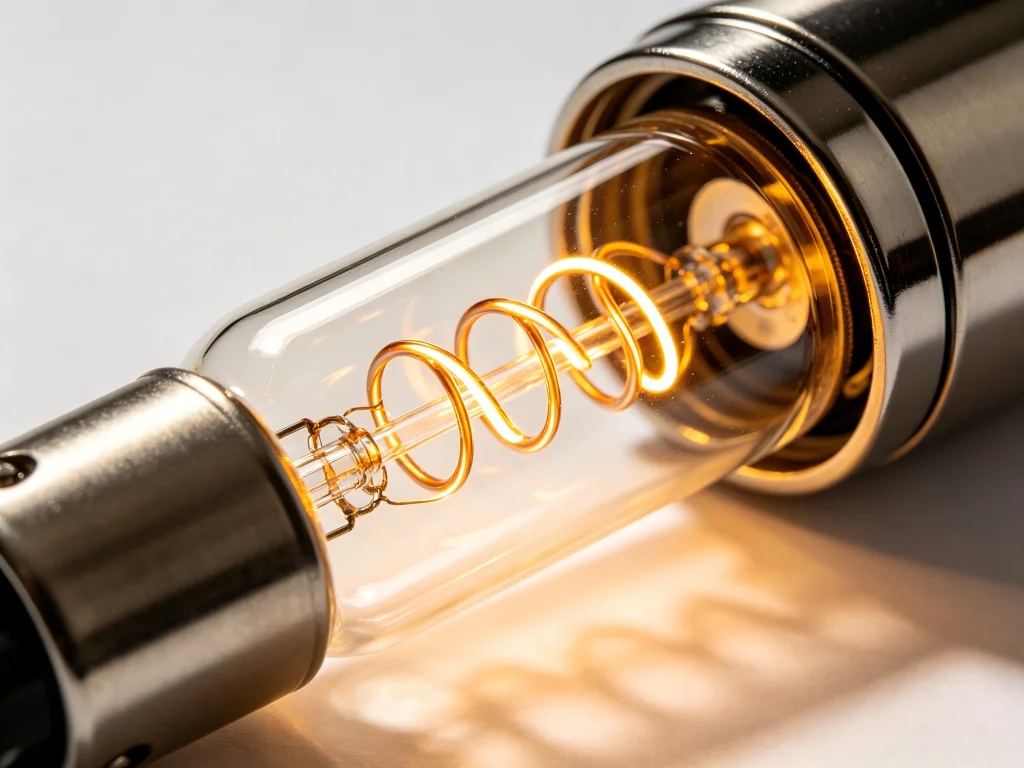
The Paradox: Rising Imports Amid Global Phase-Outs
India’s halogen lamp imports are projected to rise from 1.19 million kg in 2024 to 1.35 million kg by 2028—a compound annual growth rate of roughly 3%. That’s a steady increase, not a decline. Meanwhile, the EU’s Ecodesign regulations have effectively banned most halogen lamps for general lighting since 2021. The UK followed suit. Australia is tightening standards. So why is India going the opposite direction?
Several factors explain this paradox. First, price sensitivity. Halogen bulbs are cheaper upfront—an automotive halogen bulb can cost as little as ₹277. For a cost-conscious market, that initial price tag is tempting. Second, regulatory lag. India’s lighting standards, while evolving, haven’t kept pace with the aggressive phase-out schedules seen in Europe. Third, installed base. Millions of vehicles and fixtures in India are designed for halogen—and retrofitting costs money.
But here’s what those factors miss: the long-term economics. Cheap upfront doesn’t mean cheap overall. In fact, the opposite is true.
What Halogen Is Really Costing You
Let’s run the numbers. A typical 50W halogen lamp produces about 800 lumens—that’s roughly 16 lumens per watt. An LED of equivalent brightness uses just 7-10W and delivers 80-120 lumens per watt. That’s an 80-85% reduction in energy consumption for the same light output.
Now scale that up. A workshop with 50 halogen fixtures running 10 hours a day, 300 days a year:
- Halogen: 50 × 50W = 2,500W → 25 kWh/day → 7,500 kWh/year
- LED: 50 × 10W = 500W → 5 kWh/day → 1,500 kWh/year
- Annual savings: 6,000 kWh → at ₹8/kWh, that’s ₹48,000 per year. Per workshop. And that’s just electricity.
Then there’s the replacement cycle. A halogen bulb lasts 1,000-4,000 hours. An LED lasts 10,000-25,000+ hours. Over the life of one LED, you’d replace a halogen bulb six to twenty-five times. Each replacement means labour, downtime, and the cost of the bulb itself. Add it up, and the “cheap” halogen bulb turns out to be the expensive choice.
The Heat Problem Nobody Talks About
Halogen lamps generate extreme heat—down-lights can reach 370°C, and torchiere-style floor lamps have been documented at 1,200°F. In India’s already warm climate, that heat isn’t just uncomfortable—it’s a fire hazard. Halogen down-lights that aren’t correctly insulated or maintained can and do cause fires. In workshops with dust, flammable materials, or poor ventilation, the risk is even higher.
That heat also forces air conditioning to work harder. In a hot climate, every watt of heat from a halogen lamp is a watt your cooling system has to remove. It’s a double penalty: you pay for the electricity to run the lamp, and you pay again to remove the heat it generates.
Automotive Halogen: A Legal and Practical Minefield
In the automotive sector, the halogen story gets even more complicated. Most budget and mid-range cars in India come with reflector-type halogen headlamps using 55/60W filament bulbs. They produce a warm yellow light that’s adequate but far from ideal—especially on India’s poorly lit highways.
The temptation to upgrade is strong. Many drivers swap halogen bulbs for LED or HID kits, chasing brighter, whiter light. But here’s the engineering reality: a reflector housing designed for a 360-degree glowing filament cannot properly focus the linear, intense light of an LED chip. The result is “scatter”—light going everywhere except the road, creating dangerous glare for oncoming traffic.
And the law is catching up. In 2026, India’s RTO categorised lighting into three zones based on AIS-010 standards. The Supreme Court has labelled dazzling lights as “weapons on wheels,” and illegal modifications can lead to seized vehicles or rejected insurance claims. The maximum permissible wattage for a headlight bulb is 70W—exceed that, and you’re in violation.
So what’s a driver to do? Stick with underperforming halogen? Risk illegal modifications? Or choose a smarter path?
Why India Is Still Buying Halogen—And Why That’s Changing
The Indian market’s continued demand for halogen lamps isn’t irrational—it’s a response to real constraints. Upfront cost matters. Replacement availability matters. Regulatory uncertainty matters. But these constraints are shifting.
Globally, halogen production is scaling down. Manufacturers are shifting capacity to LED. As supply tightens, prices will rise. Lead times will extend. The “cheap” halogen bulb will become harder to find and more expensive when you do. Meanwhile, LED prices continue to fall. The cost gap is narrowing—and in many applications, LED already has a lower total cost of ownership.
Energy efficiency initiatives are also gaining momentum in India. The lighting market is projected to grow at 8.2% CAGR through 2032, driven by rising energy efficiency awareness and increasing LED adoption. The trend is clear: LED is the future, and halogen is the past.
Featured Snippet: 5 Signs Your Halogen Setup Is Costing You Too Much
Your halogen lamps are costing you too much if: your electricity bill is consistently high despite reasonable usage; you’re replacing bulbs more than once a year; your workspace feels uncomfortably hot; you’re struggling to find replacement bulbs from suppliers; or your fixtures show signs of heat damage like yellowing or melted wiring.
- Rising electricity bills – Halogen consumes 80-85% more energy than LED for the same light output. If your bill keeps climbing, your lighting is a prime suspect.
- Frequent bulb replacements – Halogen lasts 1,000-4,000 hours. In continuous operation, that’s replacements every few months. Each replacement costs time, labour, and money.
- Excessive heat in your workspace – Halogen converts most of its energy into heat, not light. If your workshop or facility feels hotter than it should, your lighting is part of the problem.
- Supply chain struggles – If your supplier is running out of stock, raising prices, or extending lead times, the global phase-out is hitting home.
- Heat damage to fixtures – Yellowed plastic, melted wiring, or discoloured reflectors are signs that halogen’s extreme heat is damaging your infrastructure.
FAQ: Your Questions About Halogen Lamps in India
Are halogen lamps banned in India?
Not yet—but the regulatory landscape is shifting. India hasn’t implemented the aggressive bans seen in Europe, but lighting standards are evolving under AIS-010 and CMVR Rule 106. The direction of travel is toward stricter efficiency requirements.
Why are halogen lamps still popular in India?
Primarily due to lower upfront cost and the large installed base of halogen-compatible fixtures and vehicles. A halogen bulb can cost as little as ₹277, making it attractive for budget-conscious buyers despite higher long-term costs.
How much can I save switching from halogen to LED in India?
LEDs use 80-85% less energy than halogen. For a typical workshop with 50 fixtures, annual electricity savings alone can exceed ₹48,000. Add replacement savings and reduced cooling costs, and the total is substantially higher.
Is it legal to replace halogen headlights with LED in India?
It depends on the installation. Swapping a halogen bulb for an LED in a reflector housing designed for halogen is generally illegal if it causes glare or dazzle. The RTO requires that modifications maintain proper beam patterns and stay within 70W. Complete assembly replacements with factory-designed LED housings may be legal.
Do halogen lamps pose a fire risk?
Yes, halogen lamps pose a significant fire hazard. They operate at extreme temperatures—up to 370°C for down-lights and 1,200°F for torchiere-style lamps. Poor insulation or proximity to flammable materials can lead to fires.
What is the CRI of halogen lamps?
Halogen lamps have a CRI of 100—the maximum possible. This means they render colours exactly as they appear in natural sunlight. This is one of halogen’s few remaining advantages, though premium LEDs now offer CRI of 90+ with far better efficiency.
How long do halogen lamps last?
Typically 1,000-4,000 hours, depending on wattage and usage. Higher-wattage bulbs tend to have shorter lifespans—a 150W halogen may last only 50 hours. LEDs last 10,000-25,000+ hours.
Your Move: Stop Paying for the Past
India’s rising halogen imports are a snapshot of a market in transition. The cheap price tag is seductive. The installed base is massive. The regulatory pressure hasn’t fully arrived. But the economics are clear: halogen lamps cost more in the long run, create safety risks, and are being phased out globally.
At GTR, we understand the Indian market’s unique constraints—price sensitivity, regulatory complexity, and the need for reliable supply. That’s why we’ve engineered LED solutions that deliver:
- Massive energy savings – 80-85% less power consumption than halogen
- Exceptional lifespan – 10,000-25,000+ hours, meaning years between replacements
- Minimal heat output – Safer, cooler workspaces with lower cooling costs
- Regulatory compliance – Products that meet or exceed AIS-010 and other Indian standards
- Superior light quality – High CRI options that match or exceed halogen’s colour rendering
The global lighting industry has moved on from halogen. India will too—the question is whether you’ll lead the transition or get left behind paying the costs of an obsolete technology.
Stop burning money on halogen. Start saving with GTR. Visit https://www.rhgtr.in to explore our full range of LED lighting solutions for automotive, industrial, and commercial applications. Request a free consultation. Get a custom quote. And see the difference that modern lighting can make—on your bottom line and in your workspace.
GTR – Lighting the future of India, one LED at a time.