
Walk into any auto parts store today, and you’ll see them sitting right there on the shelf—halogen bulbs, just as they’ve been for decades. But here’s the question that’s on every buyer’s mind: do halogen lights still have a future, or is 2026 the year they finally become obsolete?
It’s a fair question. Governments are banning them. LED manufacturers are claiming superiority. And yet, billions of dollars worth of halogen bulbs are still being sold every year. The reality, as with most things in the automotive and industrial world, is more nuanced than the headlines suggest.
Based on our years of manufacturing expertise and close tracking of global lighting markets, we’ve watched this transition unfold in real time. Here’s what’s actually happening—and what it means for your next lighting purchase.
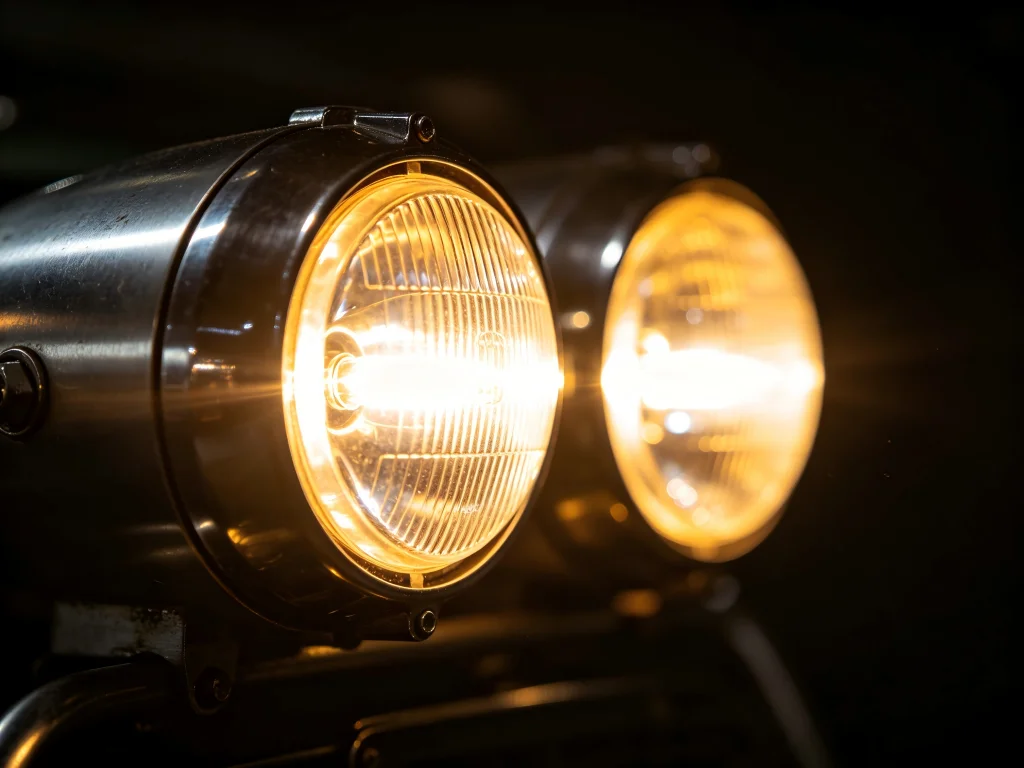
The Regulatory Squeeze: What’s Actually Being Banned
Halogen light sources are being phased out across Europe and many other regions due to strict energy-efficiency rules, becoming increasingly difficult to source, maintain, and justify in demanding applications.
The EU Ecodesign rules have effectively banned most halogen lamps for general lighting since 2018–2021. In the UK, all halogen pins (G4, GY6.35 and G9) have been prohibited from being placed on the market since September 2023. Australia is phasing out mains voltage halogen and tungsten lamps over the next five years, beginning October 2025.
But here’s the critical distinction most articles miss: these bans primarily target general lighting applications—not automotive halogen headlights. Automotive halogen bulbs of 6, 12, or 24 volts not exceeding 75 watts remain legal and widely available.
The regulatory picture for automotive lighting is more complex. Approved halogen, xenon, and LED light sources have been permitted in road vehicle headlamps for many years. However, halogen headlight bulbs with a color temperature over 4200K are not road legal in many jurisdictions because the blue tint can confuse other drivers who might mistake them for emergency services vehicles.
And here’s a trap many buyers fall into: in the UK, it is illegal to retrofit LED bulbs to a vehicle that will be driven on a a public highway, as they are deemed for off-road use only. Many aftermarket LED bulbs have not been designed to be road legal. That “upgrade” you’re considering? It might be illegal.
The Numbers That Tell a Different Story
Despite the regulatory pressure, the halogen market is far from dead. The numbers paint a picture of surprising resilience.
The global automotive halogen headlight market is expected to reach an estimated $48.3 billion by 2031, growing at a CAGR of 5.0% from 2025 to 2031. The automotive halogen bulbs market was valued at USD 10.8 billion in 2025 and is projected to grow at a CAGR of 7.1% to reach USD 20 billion by 2034.
How is this possible in an era of LED dominance? The answer lies in three factors:
- The replacement market is enormous. A significant portion of the global vehicle fleet still relies on halogen lighting. Consumers looking for convenient and inexpensive replacement options continue to drive demand.
- Cost sensitivity remains a powerful force. Halogen lighting is a cost-effective solution for automakers, allowing them to keep vehicle prices competitive. Entry-level and budget vehicles continue to use halogen as standard equipment.
- Emerging markets are driving growth. APAC is expected to witness the highest growth over the forecast period due to increasing vehicle sales, rapid urbanization, and continual economic growth in the region.
These aren’t small numbers. The halogen segment accounted for USD 18.1 billion in the automotive lighting market in 2025, maintaining strong demand due to its low production costs, straightforward manufacturing processes, and broad compatibility with existing vehicle electrical systems.
The halogen lamp market isn’t collapsing—it’s transitioning. And that transition is happening more slowly than the marketing departments of LED manufacturers would have you believe.
Halogen vs LED: The Technical Reality in 2026
Let’s cut through the marketing hype and look at the actual numbers. Here’s where halogen and LED stand in 2026:
| Factor | Halogen | LED |
|---|---|---|
| Typical lifespan | 500–1,000 hours (automotive) | 10,000–25,000 hours |
| Energy use vs halogen | Baseline | 75–85% less |
| Heat output | Very high (~85% as heat) | Low |
| Color temperature | 2,700K–3,200K (warm) | 1,500K–9,000K (customizable) |
| Upfront cost | Low | Moderate to high |
| Road legal restrictions | Must be ≤4200K in most jurisdictions | Complex; retrofitting often illegal |
The lifespan difference alone is staggering. A halogen bulb might last you six months to two years depending on usage. An LED can last three to ten years or more. Over a decade of ownership, that’s the difference between replacing bulbs annually and never touching them.
But here’s what the comparisons don’t always tell you: halogen technology has been improving. Recent advances aim to enhance the brightness and efficiency of halogen lamps through better filament materials and coatings that increase luminance while decreasing energy waste. Advanced heat management using new materials and coatings extends the lifespan of halogen bulbs.
Halogen manufacturers aren’t standing still. They’re innovating within the constraints of the technology, offering high-performance halogen bulbs that provide increased brightness, improved color temperature, and enhanced visibility compared to standard halogen options.
What This Means for Your Next Purchase
If you’re in the market for lighting right now, here’s the decision framework that actually makes sense:
Choose halogen if:
- You’re replacing bulbs in an older vehicle that came with halogen from the factory (and retrofitting LED would be illegal or impractical)
- Upfront cost is your primary concern
- You need a quick, simple replacement with no installation complexity
- You’re in a market where LED alternatives are not readily available or affordable
Choose LED (or a quality halogen alternative) if:
- You’re planning to keep your vehicle or equipment for several years
- You want to minimize long-term maintenance and replacement costs
- Energy efficiency and lower operating costs matter to you
- You’re in a jurisdiction where LED retrofits are legal and properly certified
Consider a high-performance halogen alternative if:
- You want better performance than standard halogen without the complexity of an LED retrofit
- You need to stay within regulatory requirements for your specific application
- You’re looking for a middle-ground solution that balances cost and performance
Where GTR Fits in the Halogen-to-LED Transition
At GTR, we’ve been watching this transition closely. Our position is straightforward: we don’t believe in forcing customers into one technology or the other. We believe in providing the right solution for the right application.
We’ve spent years engineering lighting solutions that address the real pain points of halogen users—short lifespan, high heat output, and inconsistent performance—while staying within regulatory frameworks. Our approach combines rigorous quality control, superior materials, and advanced engineering to deliver lighting that actually works the way you need it to.
Whether you’re sticking with halogen-compatible solutions or ready to make the leap to LED, our team has the expertise to guide you through the decision. We understand the regulations, the technical trade-offs, and the real-world conditions that matter most.
The halogen market isn’t disappearing overnight. But the window for making smart, informed lighting decisions is narrowing. The products you choose today will determine your costs, compliance, and performance for years to come.
Ready to make the right choice for your application? Visit GTR today and let our experts help you navigate the halogen-to-LED transition with confidence.
Frequently Asked Questions About Halogen Lights in 2026
Are halogen lights being banned in 2026?
General lighting halogen lamps have been banned in the EU since 2018–2021, and UK halogen pins were banned from September 2023. However, automotive halogen headlights remain legal in most jurisdictions, with restrictions on color temperature.
Can I legally replace my halogen headlights with LEDs?
In many jurisdictions, retrofitting LED bulbs into halogen housings is illegal for road use. Always verify local regulations before making any lighting modification to your vehicle.
How long do halogen bulbs last compared to LEDs?
Halogen bulbs typically last 500–1,000 hours, while LEDs can last 10,000–25,000 hours. This means an LED can outlast a halogen by 10 to 25 times.
Why are halogen lights still so popular if LEDs are better?
Halogen bulbs remain popular due to their low upfront cost, simple design, ease of replacement, and massive installed base in existing vehicles. The replacement market alone keeps demand strong.
What color temperature is legal for halogen headlights?
Halogen headlight bulbs with a color temperature over 4200K are not road legal in most jurisdictions because the blue tint can confuse other drivers.
Are high-performance halogen bulbs worth buying?
High-performance halogen bulbs offer increased brightness, improved color temperature, and enhanced visibility compared to standard halogen options—providing an affordable upgrade without switching to more expensive technologies.
Will halogen bulbs become more expensive as they’re phased out?
As demand declines and production scales down, halogen bulbs may become more expensive and harder to source. This is already happening in some markets as manufacturers discontinue or repurpose halogen production lines.
What’s the most cost-effective lighting choice for 2026?
For short-term use or low-budget applications, halogen remains cost-effective upfront. For long-term ownership, LEDs offer dramatically lower total cost of ownership through energy savings and reduced replacement frequency.