
Walk into any automotive parts supplier today, and you will see halogen bulbs sharing shelf space with LED and HID alternatives. The narrative suggests halogen is obsolete. Yet the numbers tell a different story. The global automotive halogen bulbs market was valued at approximately USD 10.20 billion in 2025 and is projected to grow to USD 11.27 billion in 2026, with a compound annual growth rate of 10.17%. That is not a dying market. That is a market in transition.
This guide looks beyond the hype. We examine the regulatory landscape, the persistent demand drivers, and the key factors that separate quality halogen bulbs from the rest. Whether you are a fleet manager, an automotive aftermarket buyer, or a driver who simply wants the best visibility for your money, understanding these dynamics will help you make smarter purchasing decisions.
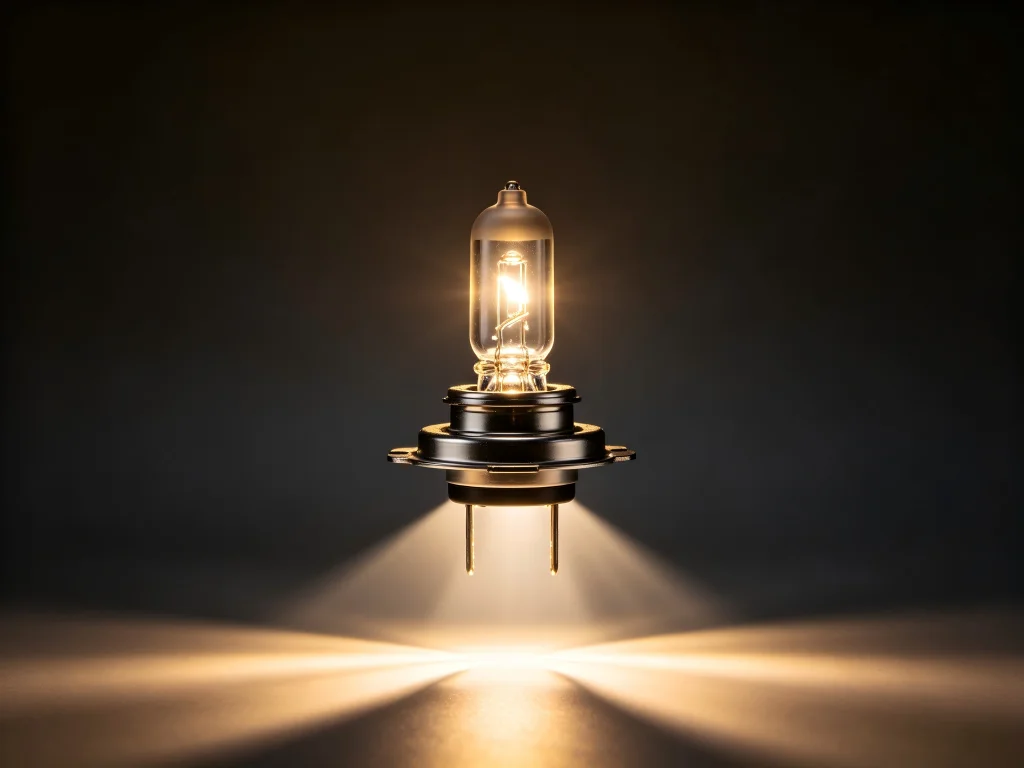
The Regulatory Landscape: What Is Actually Being Banned?
Halogen bulbs for general household lighting have been phased out in many regions, but automotive halogen bulbs remain widely available and legally compliant. The confusion stems from overlapping regulations that target different applications differently.
In the UK, the sale of most mains-voltage halogen bulbs for general household use was banned from September 2021. The EU followed with similar measures, implementing more stringent energy labeling regulations that effectively pushed halogen bulbs to the bottom of efficiency ratings. However, these bans primarily target general lighting — the bulbs you would put in a desk lamp or ceiling fixture.
Automotive halogen bulbs operate under a different regulatory framework. ECE Regulation 37, which governs automotive lighting components, continues to recognize halogen bulbs as compliant lighting solutions. The key distinction is this: household halogen bulbs are being phased out for energy efficiency reasons. Automotive halogen bulbs are being held to performance and safety standards.
That said, the aftermarket has seen an influx of non-compliant halogen bulbs that fail to meet ECE Regulation 37 specifications. These substandard bulbs may exceed maximum output levels, cause glare, and compromise road safety. The problem is not halogen technology itself. The problem is poor manufacturing quality.
Why Halogen Bulbs Remain Resilient
Despite regulatory pressure and the rise of LED alternatives, halogen bulbs continue to hold significant market share. The halogen segment accounted for approximately USD 18.1 billion in the broader automotive lighting market in 2025, maintaining strong demand due to its low production costs and broad compatibility with existing vehicle electrical systems.
Several factors drive this resilience:
- Cost-effectiveness. Halogen bulbs remain the most affordable lighting option for the majority of vehicles on the road today. For budget-conscious consumers and fleet operators, the lower upfront cost is a compelling factor.
- Broad vehicle compatibility. The vast majority of vehicles manufactured before 2015 use halogen headlight systems. Retrofitting these vehicles with LED requires additional components, modifications, or complete headlight unit replacement — expenses many owners are unwilling to incur.
- Superior color rendering. Halogen bulbs achieve a Color Rendering Index of 100, matching natural sunlight. For drivers who prioritize accurate color perception — particularly in adverse weather conditions — halogen remains a preferred choice.
- Fog and snow performance. The heat generated by halogen bulbs helps melt ice and snow from headlight lenses, maintaining visibility in winter conditions. LEDs generate minimal heat, which can be a disadvantage in cold climates.
These factors explain why the automotive halogen headlight market is expected to reach an estimated USD 48.3 billion by 2031. The market is not shrinking. It is evolving.
How Regulations Are Shaping the Halogen Bulb Market
Regulatory changes are reshaping the halogen bulb landscape in three distinct ways.
1. Quality Standards Are Tightening
Substandard halogen bulbs that do not meet ECE Regulation 37 specifications are increasingly being identified and removed from the supply chain. This benefits reputable manufacturers who invest in proper filament geometry, precise gas mixtures, and rigorous quality control. The days of selling any halogen bulb regardless of compliance are ending.
2. Energy Efficiency Requirements Are Evolving
New energy performance standards for lighting products are being implemented globally. In China, GB/T 32483.3-2025, which establishes methods for measuring the efficiency of control gear for halogen lamps and LED modules, took effect on February 1, 2026. These standards require halogen bulbs to meet defined efficiency thresholds, pushing manufacturers to improve their products rather than abandon them.
3. Regional Variations Are Increasing
Different regions are adopting different timelines and approaches. The EU continues to phase out mercury-containing lamps through 2026. The UK maintains exemptions for certain specialty applications where suitable alternatives do not exist. Australia is phasing out inefficient lamps, including halogen and CFLs, over time. For buyers, this means understanding local regulations is more important than ever.
What the Numbers Tell Us About Demand
The data paints a clear picture of sustained demand. The automotive halogen bulbs market is projected to grow at a CAGR of 10.19% through 2032. This growth is driven by the ongoing need for dependable lighting products across a spectrum of vehicle classes and platforms.
Several trends are worth noting:
| Market Segment | 2025 Value | Projected Value | Growth Rate |
|---|---|---|---|
| Automotive Halogen Bulbs | USD 10.20 billion | USD 20.11 billion (2032) | 10.17% CAGR |
| Automotive Halogen Headlights | USD 48.3 billion (2031 est.) | — | 5.0% CAGR |
| Automotive Halogen Lamps | USD 13.91 billion (2024) | USD 20.24 billion (2031) | 5.6% CAGR |
These figures suggest that halogen lighting is not being replaced. It is being supplemented. LED and HID technologies are gaining market share in premium segments, but halogen remains the workhorse of the automotive lighting industry, particularly in emerging markets where vehicle ownership is growing rapidly.
The Quality Gap: Why Not All Halogen Bulbs Are Equal
Here is the uncomfortable truth that many buyers discover too late. Not all halogen bulbs perform the same. The difference between a bulb that lasts 500 hours and one that lasts 2,000 hours comes down to manufacturing quality.
Based on our manufacturing experience, here are the critical quality factors:
- Filament construction. Premium halogen bulbs use reinforced filaments with precise winding patterns. These filaments resist vibration and thermal stress better than cheaper alternatives.
- Gas mixture purity. The halogen gas inside the bulb determines how effectively the tungsten-halogen cycle operates. Impure gas mixtures lead to faster filament degradation and shorter lifespan.
- Quartz glass quality. The envelope must withstand temperatures exceeding 4,500°F without deforming or cracking. High-grade quartz glass maintains its structural integrity longer.
- Manufacturing precision. Small variations in filament positioning affect beam patterns and heat distribution. Automated production with rigorous quality control produces consistent results.
The market is seeing an influx of poor-quality halogen bulbs that do not meet necessary standards. These bulbs may be cheaper upfront, but they fail faster, perform worse, and can compromise road safety. The cost savings evaporate quickly when you are replacing bulbs every few months.
Future Outlook: Where Is the Halogen Market Headed?
Looking ahead, several developments will shape the halogen bulb market over the next five years.
Emerging markets will drive volume growth. Rising vehicle ownership in countries across Asia, Africa, and South America will sustain demand for affordable lighting solutions. Halogen bulbs, with their low production costs and straightforward manufacturing processes, are well-positioned to serve these markets.
Quality differentiation will become more pronounced. As regulations tighten and substandard products are removed from the market, the gap between premium and economy halogen bulbs will widen. Buyers who prioritize quality will have clear choices.
Specialty applications will persist. Certain applications — such as fog lights, off-road lighting, and vehicles operating in extreme cold — will continue to favor halogen technology for its heat output and instant full brightness.
Hybrid approaches will emerge. Some manufacturers are developing halogen bulbs with enhanced gas mixtures and improved filament designs that extend lifespan without compromising light quality. These bulbs represent the next generation of halogen technology.
Frequently Asked Questions About Halogen Bulbs in 2026
Are halogen bulbs still legal to buy and use?
Yes, for automotive applications. Household halogen bulbs have been phased out in many regions, but automotive halogen bulbs remain legal and widely available. Always check your local regulations and ensure any bulb you purchase complies with ECE Regulation 37 or applicable regional standards.
Why are halogen bulbs being banned in some places?
Halogen bulbs for general lighting are being phased out due to their low energy efficiency. They convert approximately 95% of their energy into heat rather than light. However, automotive halogen bulbs operate under different regulations and remain compliant for vehicle use.
Are LED bulbs better than halogen for cars?
It depends on your priorities. LEDs are more energy-efficient and last longer. Halogen bulbs offer superior color rendering (100 CRI), instant full brightness, and generate heat that helps clear ice and snow from lenses. Each technology has strengths for different applications and driving conditions.
How long should a halogen bulb last in my car?
Quality halogen bulbs typically last 500 to 2,000 hours. Premium bulbs with reinforced filaments and pure gas mixtures can extend this range. Actual lifespan depends on usage patterns, voltage stability, and manufacturing quality.
Can I replace my halogen headlights with LED?
In many regions, retrofitting LED bulbs into headlight housings designed for halogen is not road legal. The beam pattern may not be correct, causing glare for other drivers. If you want LED lighting, consider replacing the entire headlight unit with one designed for LED.
What should I look for when buying halogen bulbs?
Look for bulbs that comply with ECE Regulation 37 or applicable regional standards. Check for quality indicators such as reinforced filaments, pure gas mixtures, and quartz glass construction. Buy from reputable manufacturers with established quality control processes.
Will halogen bulbs become more expensive?
As manufacturing consolidates and substandard products are removed from the market, premium halogen bulbs may see price adjustments. However, the continued volume demand from emerging markets should keep prices competitive for quality products.
Choosing a Halogen Bulb Supplier You Can Trust
The halogen bulb market in 2026 offers more choice than ever. But choice without quality is just noise. When you buy halogen bulbs, you are not just buying a component. You are buying visibility, safety, and reliability.
At GTR, we understand the regulatory landscape. We know what makes a halogen bulb perform. And we manufacture our products to meet the highest standards — not the lowest price point.
Our halogen bulbs are built with precision filament technology, premium gas mixtures, and rigorous quality control that meets ISO 9001 and SAE standards. Whether you need bulbs for passenger vehicles, commercial fleets, or specialty applications, we deliver consistent performance you can count on.
Visit www.rhgtr.in to explore our full range of premium halogen bulbs. Find the right bulbs for your vehicles. Get the quality your drivers deserve. And drive with confidence.