
Yellow fog lights have been a subject of debate among drivers for decades. Some swear by them. Others say they make no difference. After analyzing thousands of forum posts, independent tests, and talking to drivers who actually use them in real conditions, here’s what we found.
You’ve probably seen the arguments online. One forum says yellow is the only way to drive in fog. Another claims it’s all placebo. So who’s right? And more importantly—what should you actually put on your vehicle?
This isn’t another generic product roundup. This is a deep dive into what real drivers experience, what the science actually says, and how to separate marketing hype from genuine performance.
The Real-World Experience: What Drivers Actually Say
Let’s start with what matters most—what happens when you’re actually on the road.
Tacoma owners have been particularly vocal about their fog light experiences. On TacomaWorld, one driver who upgraded to Diode Dynamics selective yellow fogs reported: “I really like them, they are a great improvement for me over the stock white ones, and SAE/DOT compliant, so I’m not blinding others.”
Another Tacoma owner put it more bluntly: “Stock ones are actually decent but yellow will be best.” That’s a sentiment that appears repeatedly across vehicle forums—from Tacomas to Focus STs to 4Runners.
Focus ST owners have similar stories. One forum member who switched to yellow bulbs described them as “super bright and very yellow (not amber).” Another noted that yellow fog lights are what made their car “turn heads.”
But not everyone is convinced. Some drivers report that yellow film over existing lights creates too much light loss. One Focus ST owner who tried both yellow bulbs and yellow tint learned the hard way: “You’ll just get less light doing both.”
The consensus from real-world users: yellow fog lights genuinely improve visibility in fog, rain, and snow—but only if you do it right. Cheap tint or poor-quality bulbs won’t deliver the benefits.
What the Science Actually Says About Yellow Light
Here’s where things get interesting—and a bit controversial.
The physics behind yellow fog lights is often misunderstood. Many sources claim yellow light “penetrates” fog better because it has a longer wavelength. This is a simplification that doesn’t tell the full story.
Yellow light (wavelength ~550–590 nm) scatters less than blue or white light when it hits water droplets in the air. This reduced scattering means less light reflects back into your eyes—which translates to less glare and better contrast.
But here’s the nuance: the advantage isn’t about seeing farther. It’s about seeing more clearly in the space you can already reach.
One industry source puts it this way: “You’re not seeing ‘farther’ into the fog, but you are seeing what’s directly in front of you with much greater clarity and less eye strain, which is the entire point of a fog light.”
There’s also a neurological component. Yellow light is processed more easily by the human eye. As one guide explains: “Fog lights are yellow because it’s a soothing color our eyes and brains can process quickly, easily, and for an extended period of time. This is the real reason and it’s based on neurology.”
The debate about whether yellow is “better” than white often misses the point. Each has its ideal use case. Yellow excels in dense fog and heavy precipitation. White offers better overall brightness in clear conditions. The choice depends on where and how you drive.
The Tint vs. True Yellow Debate
One critical distinction that many buyers miss: not all yellow fog lights are created equal.
Many “yellow fog lights” on the market are actually white LEDs behind a yellow-tinted lens. They look yellow when on but appear white or clear when off. This approach reduces light output because the tint filters out other wavelengths.
Premium options use actual yellow LED chips or phosphor-coated emitters that produce true 3000K light without the light loss. As one industry observer notes, true yellow optics “maintain their yellow character in both states, giving the vehicle a cohesive, intentional look at all times.”
For Focus ST owners, this distinction matters. Some have tried yellow film overlays only to find that “the film can become hot and wear/even melt over time.” Others who went with quality yellow bulbs reported much better results.
The takeaway: if you want genuine yellow fog light performance, skip the tint and invest in proper yellow LED bulbs or complete housings with true yellow optics.
Yellow vs. White: A Practical Comparison
| Factor | Yellow Fog Lights | White Fog Lights |
|---|---|---|
| Color Temperature | 3000K–3500K | 5000K–6500K |
| Fog/Rain/Snow Visibility | Excellent – Reduced glare, better contrast | Moderate – More backscatter in dense conditions |
| Clear Night Driving | Functional, warmer appearance | Better – Brighter, more natural light |
| Eye Comfort | Superior – Less strain, reduced fatigue | Can cause strain in prolonged use |
| Oncoming Driver Impact | Less glare – Easier on other drivers’ eyes | More potential for glare |
| Best Use Case | Dense fog, heavy snow, rural driving | Urban driving, clear conditions |
The data is clear: there’s no universal “best.” Yellow fog lights excel when conditions are at their worst. White fog lights offer more versatility for general use. Choose based on your primary driving environment.
Legal Considerations: What You Need to Know
Before purchasing any fog lights, check your local regulations. The rules vary by region.
In Australia, front fog lights must project white or yellow light and be low-beam lights that can operate independently of headlights. They should only be used in conditions of reduced visibility such as fog, dust storms, or smoke.
In North America, SAE/DOT-compliant yellow fog lights are generally street-legal. European regulations (ECE R19) also permit selective yellow fog lights. Many European vehicles come with yellow fog lights from the factory.
Products labeled “off-road use only” may not meet street-legal requirements and could result in fines. Always check for proper certification markings before purchasing.
What to Look for When Buying Yellow Fog Lights
Based on real-world testing and driver feedback, here are the critical factors:
- True 3000K–3500K output. This is the scientific sweet spot for fog penetration. Anything outside this range loses effectiveness.
- Proper beam pattern over raw lumens. A well-focused 6,000-lumen bulb outperforms a poorly focused 14,000-lumen bulb every time. As one forum member wisely noted: “More is not always better with lighting. Fog lights should keep the light output low to the ground and with a definitive cutoff.”
- Quality optics. Look for true yellow LED chips or phosphor-coated emitters rather than white LEDs behind yellow tint.
- SAE/DOT/ECE certification. Ensures road legality and proper beam pattern.
- IP67 or IP68 waterproof rating. Fog lights sit low on your vehicle and face constant exposure to water and debris.
- CANBUS compatibility. Many modern vehicles require this to avoid error codes and flickering.
One experienced driver on the Focus ST forums put it this way: “The light source needs to be at the focal point of the reflector.” This is why cheap bulbs with poorly designed emitters underperform—they don’t align with your housing’s optics.
What Professional Testing Reveals
Independent testing of yellow fog lights has revealed some important patterns.
In controlled comparisons, premium yellow LED bulbs consistently outperformed budget options—not necessarily in raw brightness, but in beam focus and usable light distribution. A well-engineered bulb with 3,900 lumens can deliver “up to 10x more usable light than other LED bulb options.”
Testing also showed that many budget “yellow” LEDs use cheap filters that wash out over time, producing a color that shifts away from true 3000K selective yellow. This matters because the wrong shade of yellow loses the fog-cutting advantage.
One industry resource explains that selective yellow fog lamps “cut through atmospheric interference more effectively because they filter out the blue end of the spectrum where water droplets scatter light most intensely.”
The best products use advanced multi-core LED chip technology to deliver ultra-bright light in an ultra-focused beam pattern. This combination of brightness and focus is what separates premium fog lights from the competition.
Frequently Asked Questions About Yellow Fog Lights
Are yellow fog lights actually better than white in fog?
In dense fog, heavy rain, and snow, yes. Yellow light scatters less than white light, reducing glare and improving contrast. In clear or light fog conditions, white lights may offer better overall brightness.
Is yellow tint as good as yellow bulbs?
No. Yellow tint or film reduces overall light output by filtering out other wavelengths. Dedicated yellow LED bulbs produce true 3000K light without the light loss. Many drivers who start with tint eventually upgrade to proper yellow bulbs for better performance.
Will yellow fog lights work with my vehicle’s CANBUS system?
Quality yellow LED fog lights include built-in CANBUS compatibility. Cheap alternatives may trigger error codes or flickering. Always verify compatibility before purchasing.
Are yellow fog lights legal in Australia?
Yes. Australian regulations require front fog lights to project white or yellow light. However, they may only be used in conditions of reduced visibility such as fog, dust storms, or smoke.
What’s the difference between amber and yellow fog lights?
Amber typically refers to the 2000K-2500K range used for turn signals. Selective yellow for fog lights is 3000K-3500K. For fog applications, you want selective yellow, not amber.
How long do yellow LED fog lights last?
Premium yellow LED fog lights typically last 30,000 to 70,000 hours—years of regular use without replacement. Halogen alternatives may need replacement annually.
Can I switch between yellow and white on the same lights?
Some premium fog light systems offer dual-color functionality, allowing you to switch between white and yellow output. This gives you the best of both worlds: white for clear conditions, yellow for fog and bad weather.
Making the Right Choice for Your Vehicle
After reviewing the science, the real-world driver experiences, and the independent testing, a clear picture emerges.
Yellow fog lights aren’t magic. They won’t let you see through a blizzard like it’s a sunny day. What they will do is reduce glare, improve contrast, and make driving in bad weather significantly less stressful. For drivers who regularly face fog, heavy rain, or snow, they’re a genuine safety upgrade.
The key is choosing quality products with true 3000K output, proper beam patterns, and road-legal certification. Skip the cheap tint and budget bulbs. Invest in lighting that actually works when you need it most.
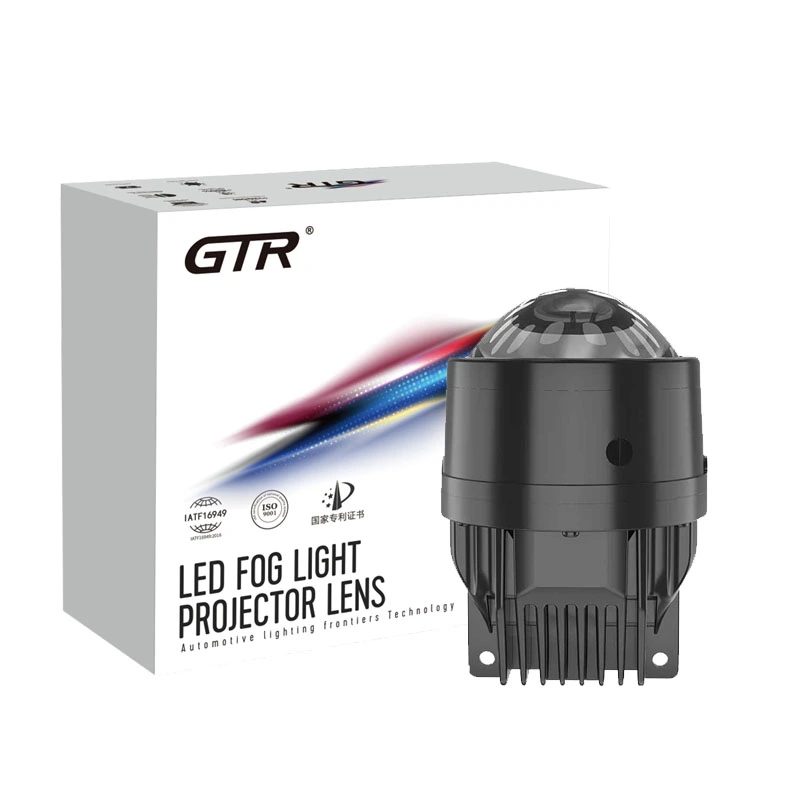
GTR Lighting offers professional-grade yellow fog lights engineered for real-world performance—with true 3000K output, superior beam focus, and SAE/DOT certification for road-legal use. Whether you drive a Tacoma, Focus ST, truck, or SUV, GTR has a solution designed to cut through the worst weather conditions.
Visit GTR Lighting today. Find the yellow fog lights that fit your vehicle. Drive with confidence in any condition.